Taking action to fight the nation’s growing food insecurity
Brand & Communications
Over the last 12 months Australians have been in financial turmoil, with the nation being subjected to price hikes, inflation, and supply chain constraints, making what were once staple goods challenging or too expensive to access.
According to the 2023 Foodbank Hunger Report, the cost-of-living crisis we now find ourselves in has seen nutritious meals being the first thing to go from the average Australian’s shopping list.
As many as 3.7 million households struggled to afford adequate food this year—a steep increase of 383,000 from 2022. Ninety-four percent of these food insecure households mitigated cost-of-living pressures by reducing food and grocery spend, with almost half sacrificing fresh produce.
We believe that everyone should have access to nutritious meals. It has formed a pillar of our global CSR Better Tomorrow roadmap, and guides our everyday practices.
As leaders in quality of life services, serving up thousands of meals every day to our clients and team, we know food. And we also know our responsibility when it comes to addressing food insecurity.
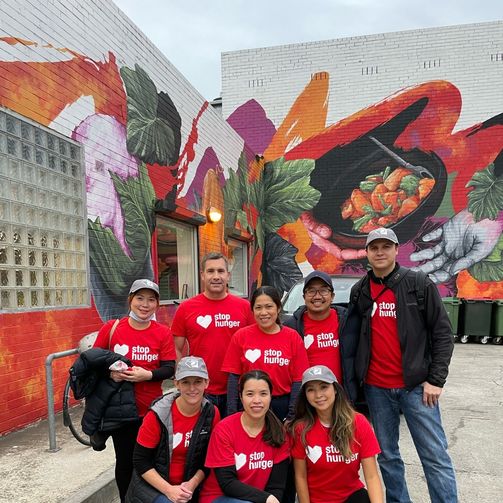
But our partnership runs deeper than this, with many of our employees using their paid volunteer leave to participate in the preparation of meals for those in need—each of them living out Sodexo’s values of spirit of service and community responsibility.
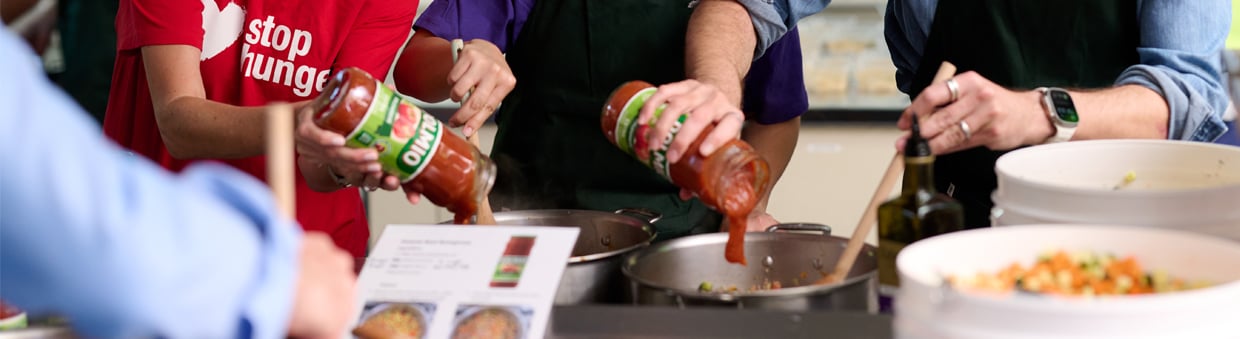
Recently, some of our people took part once again in a week-long servathon on behalf of Foodbank in recognition of World Food Day, delivered in conjunction with Dolmio. Donning our aprons and working in shifts, by the week’s close more than 5,000 hot meals were served up to those experiencing significant food insecurity.
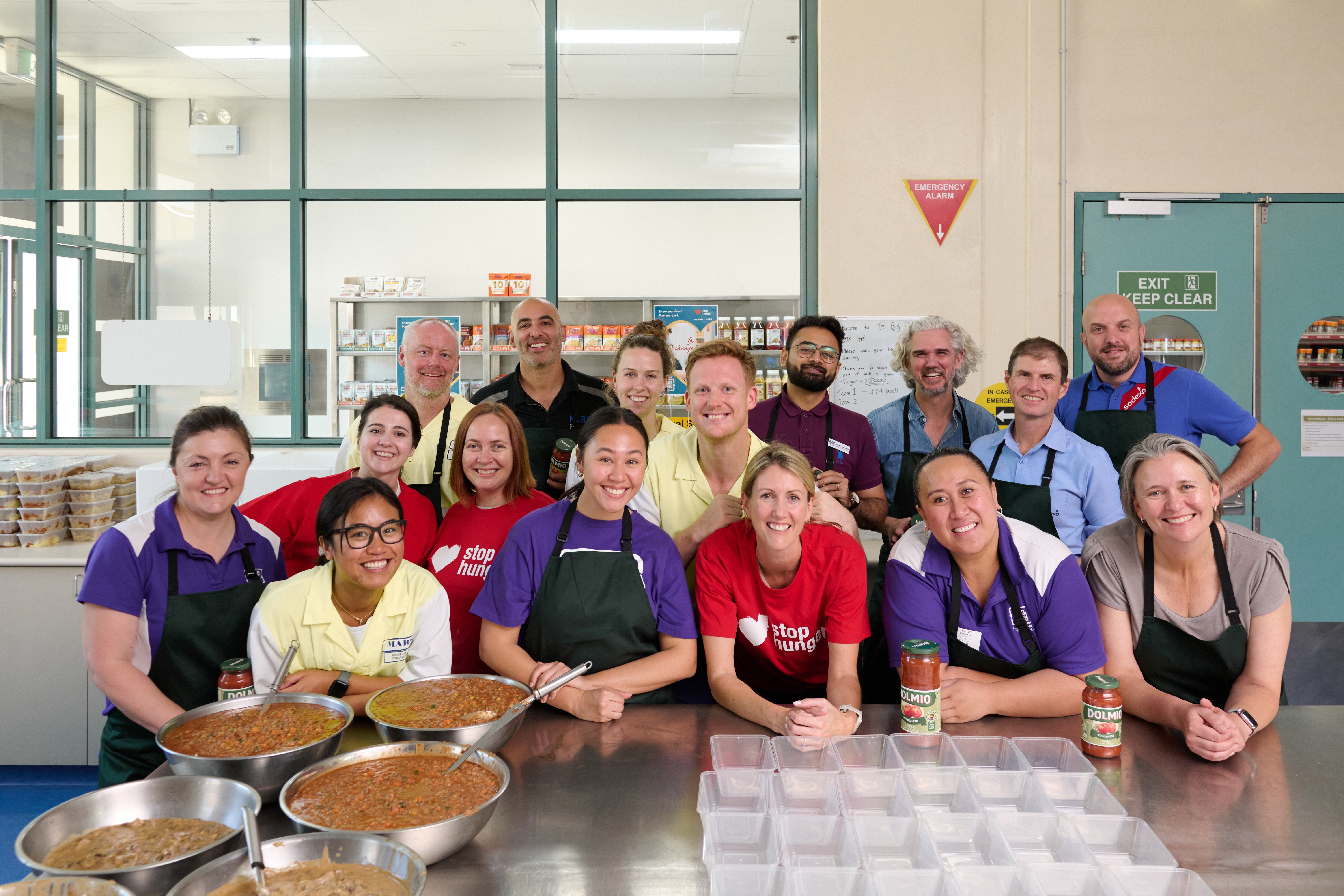
Embedding ourselves within the communities in which we live and work is vital to ensuring we do our bit to make a difference to those who are struggling to put food on the table.
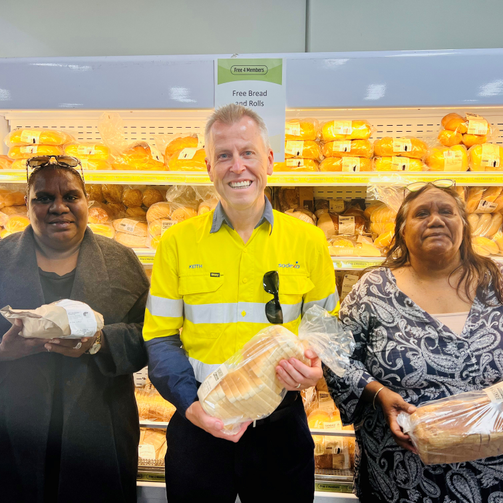
Our plight to Stop Hunger isn’t just seen through our ongoing partnership with Foodbank, but extends into some of our most remote communities.
While a quarter of households are severely food insecure, according to the 2023 Foodbank Hunger Report, food insecurity remains more prevalent in regional or rural areas where the average cost of goods is more expensive than metro locations due to increased freight costs.