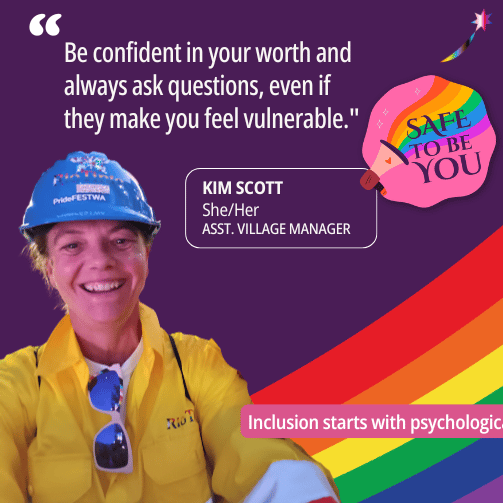
Safe to be you: Kim Scott on leadership, inclusion and psychological safety
Building trust in remote environments
Working in FIFO and remote operations means people spend long periods away from home, living and working closely together. In those environments, culture becomes critical.
Kim believes strong teams are built when people feel included, heard and able to contribute openly. Psychological safety shapes teamwork, communication and trust, and extends far beyond wellbeing
Throughout her career, Kim has focused on creating environments where people feel comfortable asking questions, speaking up and supporting one another.
"I could see that my love of hospitality and people would be valuable here," Kim explains. "I hoped to enhance the level of service and care provided."

She believes leadership plays a key role in setting that tone through everyday actions, consistency and genuine respect.
Visibility matters
Representation and visibility plays a critical role, particularly in industries that have traditionally been seen as less inclusive.
Kim understands the value of seeing people from different backgrounds and experiences in leadership positions. She believes it helps create a stronger sense of belonging and encourages others to feel more confident being themselves at work.
Her story also reflects the broader progress happening across the Energy & Resources sector, where conversations around inclusion, diversity and psychological safety continue to shift and strengthen
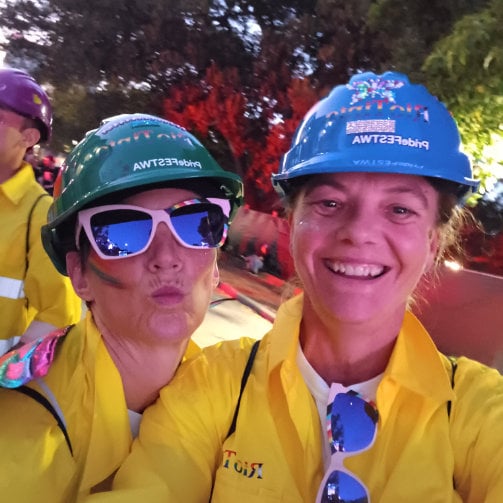
"I could see via the Sodexo website that it was a company championing inclusivity, which is important to me," Kim recalls. "The Pride Network stood out straight away as a movement I wanted to be a part of and support."
She believes psychological safety grows when people feel respected for who they are and supported to contribute fully to their teams.
Those moments may seem small, but they shape workplace culture in lasting ways.
Safe to be you
This Pride Month, Sodexo Australia continues to celebrate the people helping create workplaces where others feel safe to be themselves.
Through leaders like Kim, those conversations continue to move forward — helping build stronger teams, more connected workplaces and environments where people feel safe to be you.